Imagine stepping off a train in Edinburgh on a crisp autumn morning, the air thick with the scent of peat smoke and something savory sizzling nearby. That’s how I first fell in love with Scottish food—during a solo trip through the Highlands years ago, when a simple pub meal changed how I saw comfort eating forever. These dishes aren’t just meals; they’re stories of survival, celebration, and the land itself. From the misty isles to the rolling glens, Scotland’s traditional fare draws on fresh seafood, hearty grains, and game meats, all prepared with straightforward methods passed down through generations. If you’re planning a visit or just craving a taste of the authentic, this guide will help you navigate the must-tries. And trust me, once you dig in, you’ll understand why Scots swear by them.
The Rich Tapestry of Scottish Culinary Traditions
Scotland’s food has always been shaped by its unforgiving weather and abundant natural resources. Think fertile soils yielding oats and barley, icy waters teeming with fish, and hills alive with sheep and deer. This isn’t fancy fusion—it’s resourceful cooking born from crofters and fishermen who made the most of what they had. Over centuries, these traditions have woven into national identity, celebrated at events like Burns Night or Hogmanay. As someone who’s chased these flavors from Glasgow’s markets to remote Skye bothies, I can say they’re as warming as a dram of whisky on a frosty night.
15 Traditional Scottish Food Dishes You Must Try
Diving into Scotland’s classics means embracing bold flavors and simple joys. I’ve ranked these 15 based on cultural significance, taste, and how often they’ve stolen the show on my travels. Each offers a window into the past, with modern twists available for the adventurous. Whether you’re a meat lover, seafood fan, or sweet tooth, there’s something here to spark your appetite.
1. Haggis, Neeps and Tatties
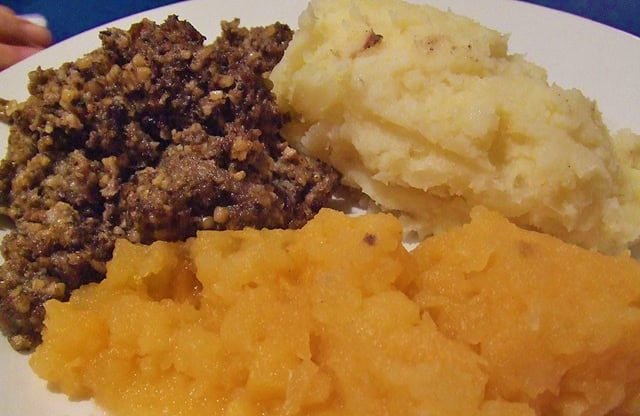
The national dish that sparks endless debate, haggis is a savory pudding of sheep’s heart, liver, and lungs minced with oats, onions, and spices, traditionally boiled in a stomach casing. Paired with mashed turnips (neeps) and potatoes (tatties), it’s pure Highland comfort—peppery, crumbly, and utterly satisfying. Don’t let the ingredients intimidate you; it’s like the ultimate sausage, elevated by a splash of whisky sauce.
- Key Ingredients: Sheep offal, oatmeal, suet, black pepper, and stock.
- History in a Nutshell: Dating back to the 1400s, it got its poetic boost from Robert Burns in 1786. Now, it’s the star of Burns Suppers every January 25.
- How to Enjoy It: Hot from the oven at a pub, or as a pie filling for a portable twist. Vegetarians, rejoice—lentil versions are everywhere.
- Where to Try: The Ubiquitous Chip in Glasgow or a street stall during Edinburgh’s Fringe Festival. Pro tip: Pair it with a wee dram.
- Pros and Cons:
Aspect Pros Cons
Flavor Rich, earthy depth Can be gamey if over-seasoned
Accessibility Cheap and filling Initial “what is this?” hesitation I still chuckle remembering my first bite in a Fort William pub—skeptical, then hooked. It’s the dish that makes you feel like a local. 2. Full Scottish Breakfast No trip to Scotland is complete without this epic morning feast, a plate piled high to fuel a day of hill walking. It features fried eggs, rashers of bacon, link and square sausages, black pudding, baked beans, tattie scones, mushrooms, tomatoes, and toast—sometimes with haggis thrown in for good measure.- Key Ingredients: Local pork, free-range eggs, and blood sausage for that iron-rich punch.
- History in a Nutshell: Evolved from farmhand breakfasts in the 19th century, now a B&B staple.
- How to Enjoy It: With HP sauce and a mug of builder’s tea. Veggie versions swap meat for halloumi or plant-based bangers.
- Where to Try: The Shore on Arran or Gloagburn Farm Shop near Perth—fresh from the source.
- Comparison to English Breakfast: Scottish adds tattie scones and black pudding; English leans on more tomatoes and fewer oats.
- Key Ingredients: Finnan haddie (smoked haddock), leeks sometimes, and a touch of cream.
- History in a Nutshell: Born in the 1890s when locals swapped beef for cheap fish; now a world championship dish.
- How to Enjoy It: With crusty bread at lunch, or as a dinner opener. Light yet luxurious.
- Where to Try: Rockpool Cafe in Cullen itself—where it all started—or MacKays Hotel in Wick.
- Pros and Cons:
Aspect Pros Cons
Texture Silky and satisfying Can be too rich for some
Versatility Works hot or chilled Best with fresh haddock The first time I had it overlooking the Moray Firth, it felt like the sea itself in a bowl. Pure bliss. 4. Scotch Broth This ancient soup is Scotland’s answer to a warm hug, packed with lamb or beef, barley, carrots, leeks, and turnips. It’s thick, nourishing, and perfect for chasing away the chill.- Key Ingredients: Braising meat, pearl barley, and root veggies simmered low and slow.
- History in a Nutshell: Traced to medieval times, it was a crofter’s staple using whatever was in season.
- How to Enjoy It: Ladled into a bowl with oatcakes on the side for dipping.
- Where to Try: Traditional spots like Teuchters Landing in Edinburgh or any Highland bothy cafe.
- Modern Twist: Add lentils for a veggie spin that’s just as hearty.
- Key Ingredients: Beef or lamb scraps, tatties, and a hint of stock.
- History in a Nutshell: 19th-century invention to use Sunday roast leftovers; “stove” means slow-cook in Scots.
- How to Enjoy It: With pickled beets or a side of oatcakes for crunch.
- Where to Try: Amber Restaurant in Edinburgh or a family-run cafe in Aberdeen.
- Regional Variations: Some add corned beef; others go veggie with lentils.
- Key Ingredients: Fresh haddock, salt, and hardwood smoke.
- History in a Nutshell: Started in the 1800s after a village fire; now a protected name like Champagne.
- How to Enjoy It: Flaked into a salad, on toast, or straight from the smokehouse.
- Where to Try: The Old Brewhouse in Arbroath or C Lyons Fresh Fish stall.
- Pros and Cons:
Aspect Pros Cons
Flavor Intense yet delicate Smell lingers (worth it)
Health Omega-3 rich Best eaten fresh On a sunny day in Angus, these were my picnic highlight—simple luxury by the sea. 7. Black Pudding Blood sausage made with pork blood, oatmeal, and spices, black pudding is a breakfast hero—crispy outside, soft inside, with a deep, earthy flavor.- Key Ingredients: Blood, oats, suet, and pepper.
- History in a Nutshell: Medieval roots, now a full Scottish staple.
- How to Enjoy It: Fried alongside eggs or in a haggis pie.
- Where to Try: Any butcher in Stornoway for the award-winning version.
- Veggie Alternative: Beetroot or mushroom “puddings” popping up in cities.
- Key Ingredients: Hot water crust pastry and spiced mince.
- History in a Nutshell: 19th-century bakery staple; annual world championships since 1999.
- How to Enjoy It: Hot with mushy peas or as a “pie supper.”
- Where to Try: Greggs in any town, or a championship winner in Dundee.
- Fun Fact: The “Scotch” refers to the crust technique, not whisky.
- Key Ingredients: Pinhead oats, salt, and a spurtle for stirring.
- History in a Nutshell: Neolithic roots; sustained Highland warriors.
- How to Enjoy It: Topped with honey, berries, or a dram of whisky.
- Where to Try: Contini in Edinburgh or a B&B in the Hebrides.
- Comparison:
Style Scottish Instant
Texture Chewy Mushy
Flavor Savory Sweet My go-to on cold mornings—simple, sustaining, Scottish. 10. Cock-a-Leekie Soup Chicken, leeks, prunes, and barley in a peppery broth—this is Scotland’s national soup, balancing savory and subtle sweet.- Key Ingredients: Free-range hen, leeks, and a few prunes for depth.
- History in a Nutshell: 16th-century origins; a feast-day favorite.
- How to Enjoy It: As a starter or light meal with bannocks.
- Where to Try: Historic inns in the Borders region.
- Health Perk: Packed with vitamins from the leeks.
- Key Ingredients: Double cream, fresh berries, and a tot of single malt.
- History in a Nutshell: Harvest celebration from the 18th century.
- How to Enjoy It: Assemble at the table for interactive fun.
- Where to Try: Applecross Inn or Whiski Rooms in Edinburgh.
- Pros and Cons:
Aspect Pros Cons
Sweetness Balanced by whisky Boozy for kids
Ease Quick to make Best with ripe raspberries Summer in a spoon—I’ve toasted many a sunset with this. 12. Clootie Dumpling A steamed fruit pudding wrapped in cloth, studded with currants, raisins, and spices—think Christmas pudding’s Scottish cousin, but lighter.- Key Ingredients: Suet, flour, dried fruits, and cinnamon.
- History in a Nutshell: 17th-century roots; Hogmanay essential.
- How to Enjoy It: Sliced hot with custard or cold with tea.
- Where to Try: Clootie Dumpling Cafe in Dunkeld.
- Modern Hack: Bake it for easier prep.
- Key Ingredients: Unsalted butter and caster sugar.
- History in a Nutshell: Medieval petticoat tails; Mary Queen of Scots loved it.
- How to Enjoy It: With afternoon tea or crumbled over ice cream.
- Where to Try: Walkers factory shop in Aberlour or any bakery.
- Variations: Add chocolate or ginger for flair.
- Key Ingredients: Sugar, butter, and a dash of whisky sometimes.
- History in a Nutshell: 17th-century sweet treat; perfect for gifting.
- How to Enjoy It: With coffee or as a hike snack.
- Where to Try: Local newsagents or the Edinburgh Farmers’ Market.
- Health Note: Indulgent, but a small piece goes far.
- Key Ingredients: Mashed tatties, flour, and a knob of butter.
- History in a Nutshell: Peasant staple; now breakfast royalty.
- How to Enjoy It: Toasted with jam or in a full fry-up.
- Where to Try: The Loft Bakery in East Lothian.
- Fun Fact: “Tattie” is Scots for potato—say it with a burr.
Haggis, hands down—it’s the one everyone talks about, even if they’ve never tried it. Is Scottish food spicy or mild?
Mostly mild and savory, with pepper as the heat hero. No curries here, but the flavors build beautifully. Where can I find the best traditional Scottish food?
Head to Edinburgh’s Old Town pubs, Glasgow’s markets, or rural tearooms. Apps like VisitScotland point the way. Are there healthy options in Scottish cuisine?
Absolutely—think grilled salmon, porridge, and soups. Modern chefs lighten classics without losing soul. What drinks pair best with these dishes?
Whisky for haggis, Irn-Bru for pies, or a strong tea for sweets. Non-alcoholic? Sparkling water with a twist. Comparison: Traditional vs. Modern Scottish Eats Dish Traditional Style Modern Twist Why It Matters Haggis Sheep stomach Vegan nut loaf Keeps heritage alive while welcoming all Breakfast Full fry-up Avocado on tattie scones From fuel to Instagram fuel Desserts Heavy puddings Lighter cranachan parfaits Same joy, less guilt This evolution shows Scotland’s food isn’t stuck in the past—it’s thriving. FAQ: Your Burning Questions Answered What makes Scottish food unique?
Its reliance on local, seasonal produce and no-fuss cooking that highlights natural flavors. Can vegetarians enjoy these dishes?
Yes! Haggis, black pudding, and even full breakfasts have plant-based versions now. How do I cook haggis at home?
Boil it gently, mash your neeps and tatties, and serve with whisky gravy. Recipes abound online. Is deep-fried everything a myth?
Mostly—Mars Bars are a fun exception, but real Scottish food is grilled, stewed, or baked. What’s the best time to try these?
Anytime, but Burns Night in winter is peak season for the full experience. Scotland’s table is waiting. Next time you’re there, skip the tourist traps and seek out these gems. Your taste buds—and your soul—will thank you. Slàinte! (That’s cheers in Gaelic.)