If you’ve ever found yourself wandering through the bustling La Boqueria market in Barcelona, inhaling the scent of fresh tomatoes and grilled seafood, you know Catalan food isn’t just a meal—it’s a love letter to the land. I’ve spent countless afternoons in tiny village taverns and seaside xiringuitos, chasing the perfect bite, and let me tell you: this region’s cuisine is a masterclass in simplicity done right. From the rugged Pyrenees to the sun-kissed Costa Brava, every dish tells a story of seasons, family recipes passed down like heirlooms, and that unbeatable Mediterranean balance of sweet, savory, and a touch of the unexpected. Whether you’re planning your first trip to Catalonia or just dreaming from your kitchen, these 25 typical Catalan dishes will transform how you think about Spanish food. Forget the tourist traps; this is the real deal, the stuff locals fight over at Sunday lunches.
Starters That Set the Tone for Every Catalan Feast
Catalan starters aren’t afterthoughts—they’re the spark that ignites the whole meal, drawing on whatever’s freshest from the market or the hills. Think bold flavors from humble ingredients, often served family-style so everyone can dig in and share stories over a glass of local Priorat wine. These bites are why I always over-order when I’m out with friends; they’re addictive, versatile, and the perfect gateway to the heavier mains ahead.
Pa amb Tomàquet: The Everyday Essential
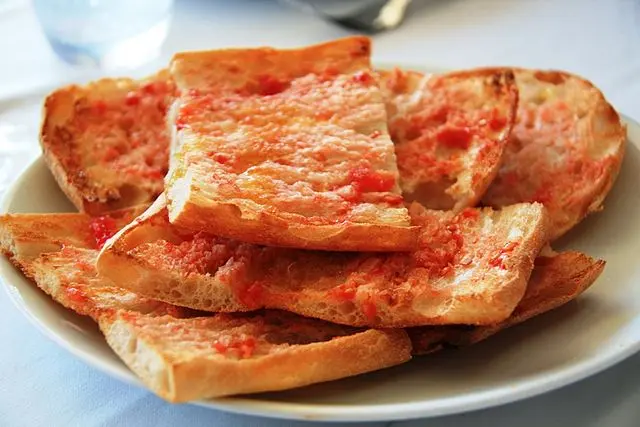
Nothing captures the Catalan spirit like pa amb tomàquet—simple toasted bread rubbed with ripe tomatoes, drizzled in olive oil, and finished with a sprinkle of sea salt. I first tried it at a roadside stop near Vic, where the baker handed me a slab still warm from the oven, and it was love at first bite. Locals swear by the tomàquets de penjar variety, hung to ripen just right, making it the ultimate sidekick for anything from cured meats to grilled fish. It’s so ubiquitous that skipping it feels like missing the soul of the meal.
Escalivada: Charred Veggies with a Smoky Soul
Escalivada, or “cooked in embers,” is all about roasted eggplants, red peppers, and onions, peeled by hand and tossed in olive oil for that perfect smoky depth. Picture farmers in the Pyrenees pulling these from the fire after a long day—I’ve recreated it at home on my grill, but nothing beats the real thing at a calçotada gathering. Serve it cold as a tapa or with anchovies for a punch; it’s vegetarian heaven and pairs like a dream with a crisp white from the Penedès region.
Esqueixada: The Refreshing Cod Salad
Esqueixada takes desalted cod, shreds it by hand (esqueixar means to tear), and mixes it with juicy tomatoes, onions, olives, and a slick of olive oil for a salad that’s pure summer on a plate. I remember dodging the midday heat in Sitges with a bowl of this, the saltiness cutting through the heat like a breeze off the sea. It’s light yet satisfying, often dotted with hard-boiled eggs, and a staple at beach bars—proof that Catalan food knows how to keep things effortless yet elegant.
Espinacs a la Catalana: Sweet-Savory Spinach Magic
Espinacs a la catalana sautés spinach with toasted pine nuts and plump raisins, a medieval trick that turns humble greens into something crave-worthy. The first time I had it at Can Culleretes, Barcelona’s oldest restaurant, the sweet-savory dance had me hooked—it’s the kind of dish that sneaks up on you. Fold it into canelons or serve alongside grilled meats; it’s a nod to Catalonia’s love for contrasting flavors that somehow just work.
Fuet: The Cured Sausage You Can’t Stop Snacking On
Fuet is that long, thin pork sausage from the Vic area, cured just right with a dusting of white mold on the outside and a tender, garlicky bite inside. Growing up around embotits markets, I’ve learned it’s the ultimate road-trip fuel—slice it thin, pair with pa amb tomàquet, and you’re set. Locals munch it as a tapa or stuff it in sandwiches; just don’t call it chorizo, or you’ll get the side-eye from any true Catalan.
Hearty Mains: Where Mountain Meets Sea
Catalonia’s main courses are built for sharing, blending the robust meats of the interior with the bounty of the coast in what’s called mar i muntanya. These dishes simmer for hours, often in earthenware pots, turning simple ingredients into soul-stirring stews. I’ve hiked the GR-11 trail and ended up at a masia farmhouse, where the aroma of these pots pulled me in like a magnet—expect bold, comforting flavors that linger long after the last bite.
Botifarra amb Mongetes: The National Dish
Botifarra amb mongetes is grilled Catalan sausage served with white beans sautéed in the sausage’s own fat—simple, hearty, and utterly addictive. I once ordered it for breakfast at a tavern in Girona after a night of cava, and it was the perfect reset. Considered the unofficial national dish, it’s been a tavern staple since the 1800s; grab it at markets or pair with romesco for extra zing.
Fricandó: The Autumn Veal Stew
Fricandó simmers thin veal slices with wild mushrooms in a rich sauce kissed with almonds—best eaten the day after for deeper flavors. In the fall, when mushrooms flood the markets, I’ve joined foragers in the Montseny hills, then feasted on this at a xurreria. It’s a countryside favorite, often with a glass of red from the Empordà, turning any dinner into a feast.
Mandonguilles amb Sípia: Meatballs Meet the Ocean
Mandonguilles amb sípia combines juicy pork-beef meatballs with tender cuttlefish in a tomato-wine sauce—pure mar i muntanya genius. The sauce is so good, you’ll be mopping it up with bread until the plate shines. I tried it first in a Costa Brava masoveria, and the contrast of land and sea still blows my mind; it’s a must for adventurous eaters.
Conill amb Bolets: Rabbit and Mushroom Stew
Conill amb bolets stews rabbit with mushrooms in a savory broth of tomato and onion—peak comfort food for mushroom season. I’ve foraged rovellons myself near Olot and turned them into this, but restaurant versions at family-run spots are unbeatable. It’s rustic, flavorful, and a reminder of why Catalans cherish their wild larder.
Trinxat: The Pyrenean Potato Mash
Trinxat mashes cabbage and potatoes, fries them crisp, and tops with rosta bacon—think elevated bubble and squeak from La Cerdanya. After a snowy hike in the Pyrenees, this hit the spot like nothing else. It’s winter fuel at its finest, often served in bordes with local cider.
Seafood Sensations from the Mediterranean Coast
Catalonia’s coastline means seafood reigns supreme, pulled straight from the sea and treated with reverence. These dishes highlight the freshest catches, often grilled simply or stewed to perfection. I’ve spent mornings at the fish auction in Palamós, watching chefs haggle, then devouring the results—expect briny perfection that transports you to the waves.
Gambes de Palamós: The Prawns of Legends
Gambes de Palamós are those deep-red, intensely sweet prawns from the Costa Brava, best grilled with just a whisper of salt. Their flavor is so pure, I once ate a dozen at a beach shack and called it dinner. The local waters’ geography makes them legendary—order them a la planxa and savor every bite.
Anxoves de l’Escala: Salty Anchovy Perfection
Anxoves de l’Escala are premium anchovy fillets preserved in olive oil, bursting with umami that’s miles from the canned stuff. Paired with pa amb tomàquet at a L’Escala tavern, they became my go-to aperitif. The town’s salting tradition dates back centuries; they’re the salty spark every meal needs.
Arròs Negre: The Inky Rice Revelation
Arròs negre turns rice jet-black with cuttlefish ink, loaded with seafood and served with allioli—dark, rich, and utterly moreish. I first had it in Tarragona, where fishermen invented it to use every part of the catch. It’s the Catalan answer to paella, but with a dramatic twist that wows every time.
Fideuà: The Noodle Twist on Paella
Fideuà swaps rice for thin noodles in a seafood broth, cooked to al dente glory with prawns and monkfish. Summers on the Costa Daurada aren’t complete without it—I’ve slurped bowls at family calçotadas. Serve with allioli; it’s lighter than paella but just as satisfying.
Suquet de Peix: Fisherman’s Stew
Suquet de peix is a rustic fish stew with potatoes, monkfish, and a sofrito base—simple, soulful, and straight from the boats. On a windy day in Cadaqués, this warmed me right up. It’s the essence of coastal Catalan cooking: fresh, unfussy, and full of heart.
Sweet Endings and Festive Treats
No Catalan meal ends without something sweet, often tying into holidays or family traditions. These desserts blend creaminess, crunch, and a hint of spice, made with local honey, almonds, and fruits. I’ve crashed enough castanyadas to know they’re the cherry on top—light enough to follow a feast, but memorable enough to crave later.
Crema Catalana: The Burnt Custard Classic
Crema catalana is silky custard topped with caramelized sugar, flavored with lemon and cinnamon—crack it open for that satisfying snap. Legend says it was born from a convent mishap, and I’ve burned my share of tops trying to recreate it. It’s lighter than crème brûlée and a staple at every celebration.
Mel i Mató: Honey and Fresh Cheese Bliss
Mel i mató drizzles local honey over creamy mató cheese, sprinkled with nuts for texture—pure, unadorned delight from Montserrat’s hills. I discovered it at a monastery shop and now make it weekly. It’s the kind of dessert that feels like a warm hug, perfect after a heavy meal.
Carquinyolis: The Crunchy Almond Biscuit
Carquinyolis are twice-baked almond biscuits, crisp and nutty, often dipped in sweet wine. Baked fresh in Cardedeu, they remind me of Italian cantucci but with a Catalan twist. Grab a bag for the road; they’re addictive with coffee or as a post-dinner nibble.
Panellets: All Saints’ Almond Sweets
Panellets are marzipan-like treats rolled in pine nuts or coconut, baked for November’s Castanyada festival. I’ve joined neighbors roasting chestnuts alongside them—sweet, chewy, and full of autumn vibes. They’re a family affair, best with a glass of moscatel.
Coca de Recapte: The Savory Flatbread Finale
Coca de recapte is a flatbread topped with escalivada and sausage or anchovies, baked golden—part pizza, part Catalan soul food. From Western bakeries, it’s my picnic staple. Sweet versions exist too, but the savory one steals the show every time.
Festive Favorites and Regional Gems
Catalonia saves its boldest for celebrations, from winter stews to spring onion feasts. These dishes tie into the calendar, bringing communities together around the table. I’ve timed trips around them, and the energy is electric—think bibs, laughter, and endless toasts.
Calçots: The Grilled Onion Ritual
Calçots are sweet, elongated onions grilled black, peeled by hand, and dunked in romesco sauce during February’s calçotadas. The mess is half the fun—I once hosted one in my backyard, sauce everywhere. From Valls, they’re a seasonal must; book a countryside feast if you can.
Cargols a la Llauna: Snails Done Right
Cargols a la llauna bakes snails in a tin with garlic, parsley, and oil—eaten with toothpicks and a side of aioli. At Lleida’s snail festival, I tried my first and was hooked by the garlicky tenderness. Adventurous? Dive in; it’s a Western Catalan tradition.
Olla Aranesa: The Mountain Broth
Olla aranesa is a brothy stew from the Vall d’Aran, packed with pasta, beans, meats, and veggies—winter’s best friend. In the Pyrenees’ chill, it thawed me out completely. Hearty and humble, it’s passed down like a family secret.
Patates Emmascarades: The Masked Potatoes
Patates emmascarades fries potatoes with blood sausage for a dark, flavorful mash—perfect with red wine in El Berguedà. The “masked” name comes from the color; I’ve paired it with hikes and never looked back. Rustic and rib-sticking.
Brandada de Bacallà: The Creamy Cod Emulsion
Brandada de bacallà whips desalted cod with olive oil and garlic into a silky spread—no dairy, just pure emulsion. On toast or in peppers, it’s a Pyrenean classic. I learned the hard way: the real stuff takes elbow grease, but it’s worth it.
People Also Ask: Quick Answers to Catalan Food Questions
What are the most famous Catalan dishes?
Pa amb tomàquet, calçots, and botifarra top the list—simple icons that define the region’s fresh, flavorful style. They’re everywhere from markets to Michelin spots.
Is Catalan food different from the rest of Spain?
Absolutely—think more seafood and veggies than paella-heavy south, with sweet-savory twists and mar i muntanya combos. It’s Mediterranean at heart, but fiercely local.
What should I eat in Barcelona for authentic Catalan food?
Hit spots like Can Culleretes for classics or La Paradeta for fresh seafood. Avoid Ramblas traps; head to Gràcia or El Born for the real deal.
Are there vegetarian Catalan dishes?
Plenty! Escalivada, espinacs a la catalana, and coca de recapte shine without meat—Catalonia’s produce makes it easy to go green.
What’s the best time for calçots?
February to April, when calçotadas pop up everywhere. Book ahead for the full onion-peeling experience.
Comparison: Mountain Hearty vs. Coastal Light
| Dish Type | Mountain Examples | Coastal Examples | Why You’ll Love It |
|---|---|---|---|
| Starters | Trinxat, Patates Emmascarades | Esqueixada, Anxoves | Warmth vs. freshness—pick based on weather. |
| Mains | Fricandó, Olla Aranesa | Fideuà, Arròs Negre | Comfort carbs vs. briny bites. |
| Desserts | Mel i Mató | Crema Catalana | Earthy sweetness vs. creamy crunch. |
Mountain dishes fuel hikes; coastal ones suit beach days. Try both for the full spectrum.
Pros and Cons: Diving into Adventurous Eats Like Snails
Pros of Cargols a la Llauna:
- Garlicky, tender texture that’s surprisingly addictive.
- Cultural immersion—festivals make it a party.
- Pairs perfectly with local wines.
Cons:
- The “snail factor” can intimidate first-timers.
- Messy to eat (bibs recommended).
- Not for the faint of palate.
If you’re game, start small—it’s a gateway to bolder Catalan flavors.
FAQ: Your Burning Questions on Catalan Cuisine Answered
What makes Catalan food unique?
The sofrito base, picada sauces, and seasonal focus set it apart—plus that sweet-savory harmony from medieval roots.
Can I find these dishes outside Catalonia?
Yes, in Spanish spots worldwide, but the real magic is in the local ingredients. Hunt for “cuina catalana” menus.
How do I order like a local?
Ask for “pa amb tomàquet” as a side, “allioli” with rice dishes, and “crema catalana” to finish. Practice “bon profit!”
Are these dishes expensive?
Not at all—taverns keep them affordable. Splurge on prawns or markets for the best value.
What’s a good wine pairing?
Cava for starters, Priorat reds for meats, and Penedès whites for seafood. Local is always better.
Catalan food isn’t just about eating—it’s about connection, to the land, the people, and those perfect, fleeting moments around the table. Next time you’re in Barcelona or beyond, skip the guidebooks and follow your nose to these 25 gems. Your taste buds (and your soul) will thank you. Bon profit!