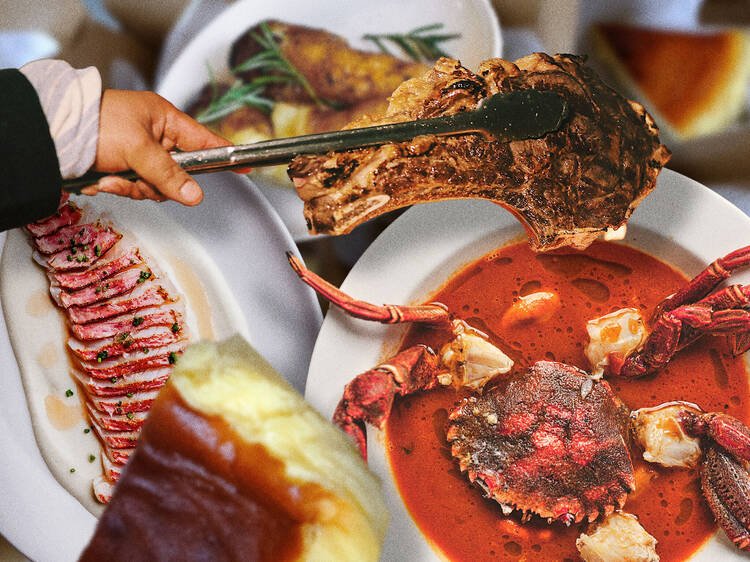
Basque cuisine isn’t just food—it’s a way of life. Living near the rugged coast and green hills of northern Spain and southwestern France, Basques have always cooked with what’s fresh, local, and seasonal. Think salty sea air mixed with smoky grills and the sharp kick of Espelette pepper. I’ve wandered the narrow streets of San Sebastián (Donostia in Basque) more times than I can count, hopping from bar to bar, plate in hand, and let me tell you: once you eat like a local, the rest of the world feels a bit bland.
The magic lies in simplicity. Basques don’t drown ingredients in heavy sauces or fancy tricks. They let quality shine—fresh fish from the Bay of Biscay, vegetables from family plots, meats grilled over hot coals. This approach has turned the region into a gastronomic powerhouse, with more Michelin stars per capita than almost anywhere else. But you don’t need a reservation at Arzak to cook like a Basque. You need respect for the ingredients and a willingness to get your hands dirty.
What Makes Basque Cuisine Unique?
Basque Country straddles the border, pulling influences from both Spain and France, but it stays fiercely independent. The cuisine emphasizes locality: zero-kilometer ingredients whenever possible. Fish dominates coastal areas, while inland spots favor lamb, beans, and cheeses like Idiazabal.
Four classic sauces define the flavor profile: red (from onions and choricero peppers), white pil-pil (garlic and olive oil emulsion from cod), green (parsley-based), and black (squid ink). These aren’t complicated—they’re pure expressions of what’s on hand.
Pintxos steal the show as social glue. Unlike Spanish tapas served in portions, pintxos are individual bites, often skewered on bread with a toothpick (hence the name, from “pinchar,” to pierce). Locals bar-hop, grabbing one or two at each stop, paying by counting toothpicks.
Pros of embracing Basque cooking at home:
- Relies on accessible, high-quality staples (olive oil, garlic, peppers, seafood).
- Quick techniques that highlight natural flavors.
- Versatile for everyday meals or entertaining.
Cons:
- Fresh seafood can be pricey outside coastal areas.
- Some techniques, like pil-pil, require practice to emulsify properly.
- Espelette pepper (mild, fruity heat) is key but not always easy to source—sub with smoked paprika in a pinch.
Essential Ingredients to Stock Your Basque Pantry
Start with these staples for authentic results:
- Olive oil — Extra virgin, preferably Spanish.
- Garlic and onions — The backbone of most sauces.
- Peppers — Choricero (dried red), piquillo (roasted), guindilla (pickled green), and Espelette powder.
- Seafood — Salt cod (bacalao), fresh hake, anchovies, tuna.
- Meats — Txuleta (thick rib steak), lamb, chorizo-like txistorra.
- Other — Idiazabal cheese, txakoli wine, Basque cider.
Quality matters more than quantity. A tin of good anchovies beats mediocre fresh ones any day.
Mastering Pintxos: The Heart of Basque Social Eating
Pintxos are how locals eat casually and often. Walk into a bar, eye the counter display, point at what looks good, and enjoy with a drink. At home, recreate the vibe with friends.
Classic Gilda — The OG pintxo, named after Rita Hayworth’s fiery character. Thread a manzanilla olive, guindilla pepper, and anchovy fillet on a toothpick. Drizzle with olive oil. No cooking needed—pure salty, spicy, briny perfection.
Tortilla Española Pintxo — Slice Spanish potato omelet into bites, top with roasted piquillo peppers (sweet) and a touch of spicy ones.
Mushroom Pintxo — Sauté wild mushrooms with garlic, pile on bread, skewer.
Tips for pintxos parties:
- Use crusty baguette slices as base.
- Keep portions small—one or two bites.
- Pair with txakoli (crisp, slightly sparkling white) or sidra (cider poured from height for aeration).
I once hosted a pintxos night where everyone brought one creation. Chaos ensued when someone overdid the garlic, but the laughter and empty plates made it unforgettable.
Iconic Main Dishes to Cook at Home
Bacalao al Pil-Pil
This is the dish that humbles even experienced cooks. Salt cod simmers in olive oil with garlic and chili until the oil emulsifies into a creamy sauce—the “pil-pil” sound of bubbling skin.
Steps:
- Desalt cod 24-48 hours, changing water.
- Gently cook garlic and chili in olive oil.
- Add cod skin-side down, move pan in circles to emulsify.
- Finish with parsley.
Patience is key; rush it and the sauce breaks.
Marmitako (Tuna and Potato Stew)
Fishermen’s stew: bonito tuna, potatoes, peppers, tomatoes, onions. Hearty yet light.
Key tip: Add tuna at the end off heat to keep it tender. Crack potatoes by hand for starchiness.
Piperade
Vegetable stew of onions, peppers, tomatoes, garlic, Espelette. Serve with eggs or ham. Simple, colorful, and endlessly adaptable.
Txuleta (Grilled Rib Steak)
Thick, aged beef grilled rare over coals. Season simply with salt. Rest well. Basques prize the char and juicy interior.
Desserts and Sweet Endings
Basques keep sweets straightforward.
Tarta de Queso (Burnt Basque Cheesecake) — Creamy center, caramelized top. No crust. Mix cream cheese, eggs, sugar, cream; bake hot. La Viña’s version put it on the map.
Gâteau Basque — Shortcrust pastry filled with pastry cream or cherry jam. Traditional and comforting.
Drinks: Txakoli, Sidra, and Beyond
Txakoli — Light, acidic white wine, perfect with seafood.
Basque cider (sidra) — Dry, effervescent. Pour from height (“txotx”) to aerate. Cider houses (sagardotegiak) serve family-style meals: endless cider, cod omelet, steak, walnuts.
Kalimotxo — Red wine and cola mix—surprisingly refreshing on hot days.
People Also Ask: Common Questions About Basque Cuisine
What is the most famous Basque dish?
Pintxos top the list for everyday eating, but bacalao al pil-pil and burnt cheesecake have global fame.
Is Basque food spicy?
Mildly—thanks to Espelette pepper. It’s fruity heat, not overwhelming.
What’s the difference between pintxos and tapas?
Pintxos are skewered or topped bites, often counted by toothpicks; tapas are shared portions.
Can I make pil-pil sauce without cod?
Yes, try with hake or even potatoes, but cod’s gelatin helps emulsify.
Where to find authentic Basque ingredients outside Spain?
Specialty stores or online for Espelette, Idiazabal, tinned anchovies.
FAQ
How do I cook like a local Basque without traveling there?
Focus on fresh, seasonal ingredients and minimal intervention. Shop markets, use olive oil generously, and practice simple grilling or stewing.
What’s the best way to learn pintxos at home?
Start simple: bread + quality toppings + toothpick. Experiment with friends—it’s social food.
Is Basque cuisine healthy?
Mostly yes—lots of fish, veggies, olive oil. Grilled meats and occasional rich dishes balance it.
Can beginners tackle pil-pil?
It takes practice, but low heat and constant motion are the secrets. Failures still taste good.
What wine pairs best with Basque food?
Txakoli for seafood, young Rioja or cider for meats.
Cooking Basque means embracing imperfection and joy in the process. The first time I nailed pil-pil after three broken attempts, I felt like I’d joined an exclusive club. Start small, taste as you go, and soon you’ll be the one friends ask for recipes. The Basque way isn’t about perfection—it’s about sharing good food with good people. Go make some pintxos tonight. Your kitchen (and stomach) will thank you.