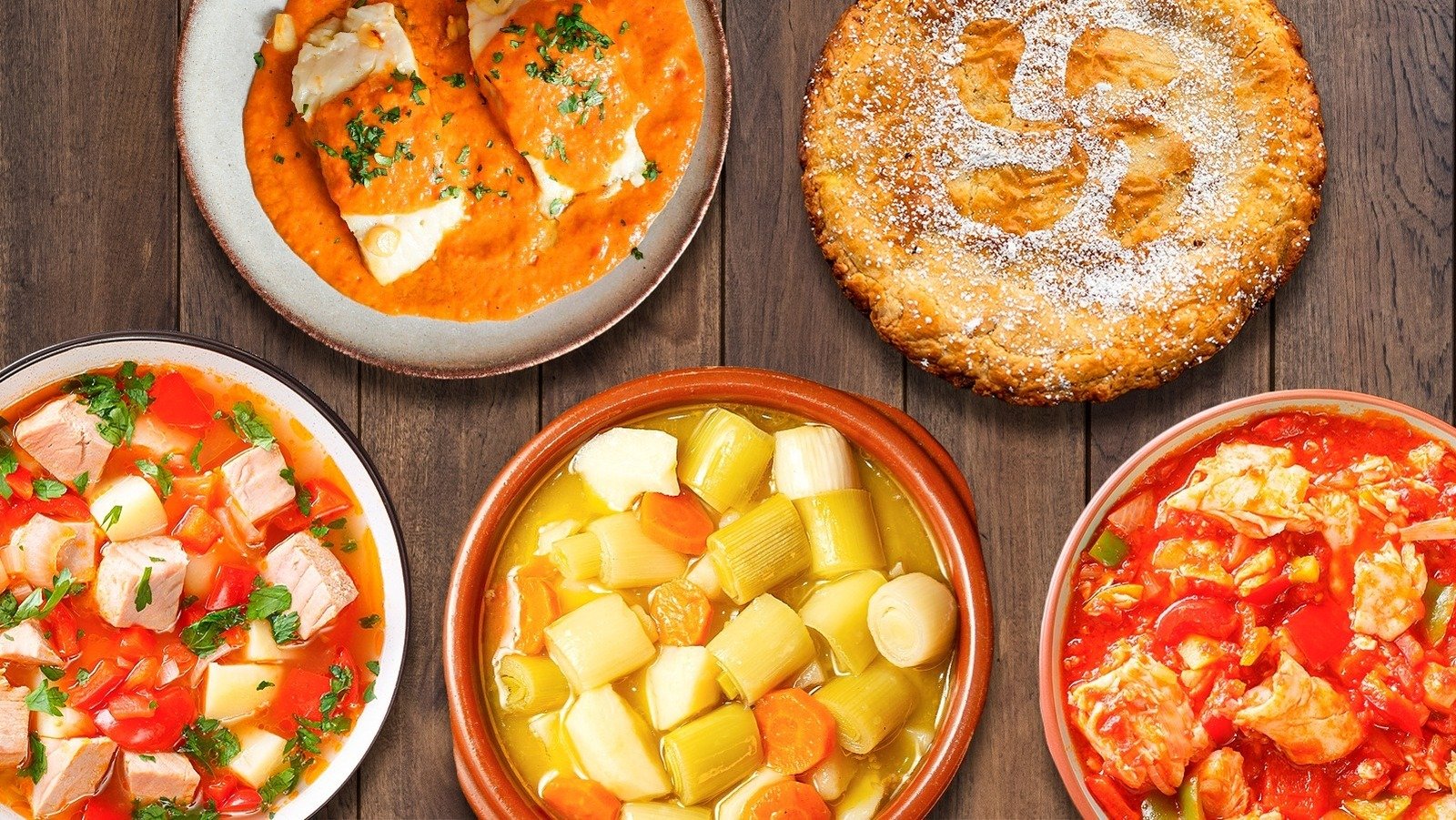
The Basque Country, nestled between the rugged Cantabrian Sea and the Pyrenees mountains, boasts one of Europe’s most celebrated food cultures. Straddling northern Spain and southwestern France, this region has long drawn food lovers with its emphasis on ultra-fresh ingredients, straightforward preparations, and bold flavors that let the produce shine. I’ve been lucky enough to wander the narrow streets of San Sebastián and Bilbao on a few trips, hopping from bar to bar with a glass of txakoli in hand, and each bite felt like a direct connection to the land and sea.
What sets Basque cuisine apart is its deep respect for seasonality and locality. Fishermen haul in anchovies and hake daily, farmers tend to peppers and sheep for cheese, and everything gets treated with minimal fuss—often just grilled over coals or simmered gently. The result? Dishes that taste honest and alive. Whether you’re eyeing a quick pintxo or planning a full family meal, Basque food delivers comfort without complication.
The Heart of Basque Cuisine: Ingredients and Traditions
Basque cooking draws from the Atlantic’s bounty and the inland pastures, creating a balanced mix of seafood, meats, vegetables, and dairy. Key staples include fresh or salt cod (bacalao), tuna (bonito), squid, peppers (especially the mild, smoky Espelette variety), Idiazabal sheep’s cheese, and local wines like txakoli or cider (sagardoa).
Historically, the Basques were master seafarers and traders, preserving cod for long voyages and incorporating New World imports like tomatoes, potatoes, and peppers into their repertoire. This evolution turned simple survival foods into refined classics. Today, the cuisine blends tradition with innovation—think Michelin-starred spots in San Sebastián alongside family-run sagardotegiak (cider houses) where you pour cider from barrels and eat family-style.
The philosophy is clear: use the best raw materials and don’t overcomplicate them. Olive oil, garlic, and a touch of Espelette pepper often tie everything together, creating that signature bright, earthy profile.
Iconic Basque Dishes You Need to Know
Basque cuisine shines in hearty mains and delicate small bites alike. Here are some standouts that capture the essence.
Bacalao al Pil-Pil
This legendary dish features salt cod slowly cooked in olive oil with garlic and chili until the oil emulsifies into a silky sauce. The “pil-pil” refers to the gentle swirling motion needed to bind it all.
It’s deceptively simple but demands patience—rush it, and the sauce breaks. The result is tender fish in a garlicky, luxurious emulsion that’s pure comfort. I once watched a Bilbao home cook make it for Sunday lunch; the kitchen smelled incredible for hours.
Marmitako
A rustic tuna and potato stew born from fishermen’s boats. Chunks of bonito simmer with potatoes, onions, tomatoes, and green peppers in a light broth.
It’s hearty yet light, perfect for rainy coastal days. The name comes from “marmita,” the pot used aboard ships. Add a sprinkle of Espelette for heat—it’s the kind of dish that warms you from the inside out.
Txuleta (Grilled Ribeye or Chuleta)
Basque steak is legendary: thick, bone-in ribeye from older cattle, grilled rare over oak coals.
The focus is on the meat’s quality—aged for flavor, salted simply, and served with nothing more than perhaps grilled peppers or fries. At places like Asador Etxebarri, it’s elevated to art, but even backyard versions impress.
Piperade
A vegetable stew of tomatoes, onions, and bell peppers, often spiced with Espelette. It mirrors the Basque flag’s colors (red, white, green) and doubles as a side or base for eggs or ham.
It’s versatile—serve it warm with crusty bread or as a bed for grilled fish. Light, vibrant, and endlessly adaptable.
Idiazabal Cheese and Other Staples
Smoky sheep’s milk cheese from the mountains pairs beautifully with quince paste or walnuts. Other must-tries include txipirones (baby squid in ink), alubias de Tolosa (black beans with sausage), and percebes (goose barnacles—tricky to harvest but worth the effort).
Pintxos: The Star of Basque Social Life
No discussion of Basque food skips pintxos—these small, skewered bites are the region’s answer to tapas but often more elaborate and creative.
Pintxos (or pinchos) are served on bread slices or toothpicks, displayed on bar counters in places like San Sebastián’s old town. You point, eat, and move on—it’s casual, social, and addictive.
Classic Pintxos to Try
- Gilda: Anchovy, olive, and guindilla pepper on a skewer—salty, briny, spicy perfection.
- Tortilla Española: Thick potato omelet slice, sometimes topped with aioli.
- Txangurro: Spider crab meat mixed with sauce, often gratinéed.
- Bacalao Croquetas: Creamy salt cod fritters.
- Champiñones: Sautéed mushrooms with garlic and parsley.
Pros of pintxos bar-hopping:
- Affordable variety in one evening.
- Social atmosphere—chat with locals and bartenders.
- Endless creativity from simple to gourmet.
Cons:
- Can get crowded, especially weekends.
- Easy to overeat (and overspend on drinks!).
A typical crawl: Start with txakoli, grab a few cold pintxos, then order hot ones fresh from the kitchen.
Sample Basque Menus for Home or Entertaining
Planning a meal? Here’s how to structure it authentically.
Casual Pintxos Party Menu (Serves 6–8)
- Starters: Gilda, smoked salmon with cream cheese, bacon-wrapped dates.
- Mains: Mushroom pintxos, shrimp al ajillo, chorizo rolls.
- Dessert: Basque burnt cheesecake (tarta de queso).
- Drinks: Txakoli or kalimotxo (red wine + cola).
Set up a bar with bread slices, toppings, and let guests assemble.
Full Sit-Down Dinner Menu
- Appetizer: Porrusalda (leek and potato soup).
- Main: Poulet Basquaise (chicken with peppers and ham) or marmitako.
- Side: Piperade and Idiazabal cheese board.
- Dessert: Gateau Basque (cherry-filled pastry).
- Drinks: Basque cider poured from height for aeration.
This feels like a family gathering—warm, shared plates, laughter around the table.
Comparison: Pintxos vs. Traditional Tapas
| Aspect | Pintxos (Basque) | Tapas (General Spanish) |
|---|---|---|
| Serving Style | Often on bread/toothpick, bar display | Small plates, ordered/shared |
| Complexity | Can be elaborate/artistic | Varies, often simpler |
| Social Scene | Bar crawl (poteo) | Sit-down or bar |
| Regional Focus | Northern Spain/France | Widespread |
| Typical Drinks | Txakoli, cider | Sherry, vermouth, beer |
Pintxos feel more like edible art; tapas are communal sharing.
People Also Ask (Common Questions)
What is the most famous Basque dish?
Bacalao al pil-pil often tops the list for its technique and flavor, though pintxos and txuleta steak are close contenders.
Is Basque food spicy?
Not overwhelmingly—mild Espelette pepper adds warmth, but dishes lean earthy and garlicky rather than fiery.
What’s the difference between Basque and Spanish cuisine?
Basque emphasizes local, seasonal ingredients with French influences; broader Spanish includes more rice/paella and regional variety.
Can I make authentic pintxos at home?
Absolutely—focus on quality bread, fresh toppings, and simple assembly. Start with classics like Gilda.
Where to experience Basque food?
San Sebastián for pintxos bars; Bilbao for markets; cider houses in Gipuzkoa for traditional feasts.
FAQ
What makes Basque cuisine unique?
Its hyper-local focus on fresh seafood, mountain cheeses, and peppers, plus a blend of tradition and modern innovation from chefs like Arzak.
How do you pair drinks with Basque food?
Txakoli (crisp white) with seafood; cider with meats; red Rioja or kalimotxo with hearty stews.
Is burnt Basque cheesecake really Basque?
Yes—created at La Viña in San Sebastián in the 1990s, it’s now a global sensation with its caramelized top and creamy center.
Are there vegetarian Basque options?
Plenty—piperade, mushroom pintxos, tortilla, Idiazabal with bread, or grilled vegetables.
What’s a good beginner recipe?
Try Gilda: skewer an anchovy fillet, green olive, and guindilla pepper. No cooking needed, instant Basque flavor.
Basque cuisine isn’t about flashy techniques—it’s about honoring ingredients and sharing meals. Whether recreating pintxos at home or dreaming of a bar crawl in Donostia, it invites you to slow down and savor. Next time you cook, reach for that good olive oil and let the flavors tell their story.