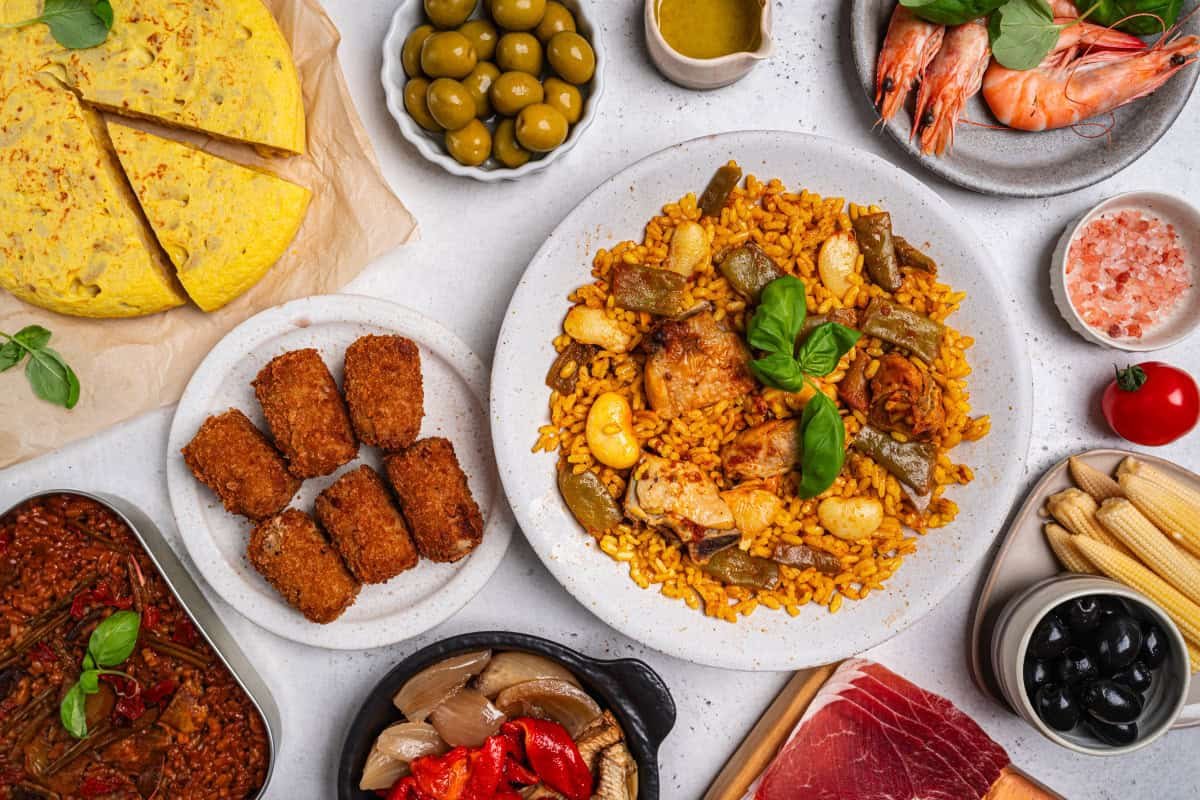
Picture this: You’re wandering the narrow streets of Barcelona’s Gothic Quarter on a crisp autumn evening, the air thick with the scent of grilled meats and fresh herbs. Your stomach rumbles, and you duck into a cozy taverna where the waiter slides a plate of golden-brown bread across the table. One bite, and suddenly, you’re hooked on the soul of Catalan cuisine. I’ve chased these flavors across the city for years— from hole-in-the-wall spots in Gràcia to family-run gems near the beach—and trust me, nothing captures Barcelona like its 12 signature dishes. These aren’t just meals; they’re stories of the sea, the mountains, and centuries of clever, resourceful cooking.
The Heart of Catalan Cooking: Simple, Bold, and Unforgettable
Catalan food thrives on “mar i muntanya”—that perfect marriage of sea and mountain ingredients. It’s fresh, seasonal, and unpretentious, born from farmers, fishermen, and home cooks who knew how to make the most of what the land and Mediterranean gave them. Forget flashy foams or molecular tricks; here, it’s about letting tomatoes sing, onions char just right, and sauces whisper secrets of almonds and garlic. If you’re new to the scene, start here: these 12 dishes will turn your trip into a flavor adventure you’ll replay in your dreams.
Starters That Steal the Show
Pa amb Tomàquet: The Everyday Miracle on Bread
Nothing says “welcome to Barcelona” like a slab of crusty bread rubbed with ripe tomato, a drizzle of olive oil, and a pinch of salt. This humble hero, born from thrifty peasants reusing stale loaves, appears on every table—from breakfast to late-night tapas. The secret? Use a juicy, overripe tomato and good pagès bread. I still laugh remembering my first try at a market stall: the vendor handed it over with a wink, and I was sold for life. Pair it with anchovies or cheese for the full effect.
Where to Find It: Head to La Boqueria market for the freshest version, or Bar del Pla in El Born for a rustic twist.
- Pro Tip: Ask for “pa amb tomàquet amb formatge” to add Manchego—pure bliss.
- Why You’ll Love It: It’s vegan, cheap (under €3), and the ultimate base for any meal.
Escalivada: Charred Veggies That Dance on Your Tongue
Imagine peppers, eggplant, and onions slow-roasted over embers until their skins blister and flavors concentrate. Tossed in olive oil and served cold, escalivada is the vegetarian star of Catalan tapas. Originating from “escalivar” (to cook in ashes), it’s a summer staple that feels like sunshine on a plate. One bite at a beachside chiringuito, and I was transported—smoky, sweet, and utterly addictive. Add anchovies for that umami punch if you’re feeling indulgent.
How to Eat It: As a shared starter with a glass of crisp white wine from Penedès.
Esqueixada: The Cool Cod Salad of Summer
Shredded salt cod, diced tomatoes, onions, olives, and peppers, all kissed by a simple vinaigrette—esqueixada is Catalonia’s answer to ceviche. It’s light, briny, and perfect for beating the heat. This dish screams “Mediterranean” with every forkful, using bacallà that’s been cured for weeks. During a sweltering July lunch in Barceloneta, I devoured two plates and chased it with vermut. Pro move: Order the “empedrat” version with white beans for extra heft.
Best Season: June to September, when tomatoes are at their peak.
Calçots: The Messy, Joyful Onion Ritual
Picture a long table of friends peeling blackened spring onions, dipping them into thick romesco sauce made from roasted nuts, peppers, and garlic. Calçots are Catalonia’s wild card—sweet, tender, and only in season from November to April. The tradition? A “calçotada” feast where you eat with your hands, sauce dripping down your chin. My first one in Valls left me sticky, laughing, and convinced: this is how food should be—communal and chaotic. Don’t skip the grilled meats that follow.
Romesco Sauce Breakdown:
| Ingredient | Role |
|---|---|
| Almonds & Hazelnuts | Creamy base |
| Ñora Peppers | Smoky depth |
| Garlic & Tomato | Fresh zing |
| Olive Oil | Silky finish |
Hearty Mains That Warm the Soul
Botifarra amb Mongetes: Sausage and Beans Done Right
Thick Catalan pork sausage—spiced with pepper and nutmeg—grilled until juicy, then nestled beside sautéed white beans. This is comfort food at its finest, a 19th-century favorite that hits every note: savory, earthy, satisfying. I once shared a plate at a tiny spot in Sant Antoni during a rainstorm, and it felt like a hug from grandma. Go for the “botifarra negra” (blood sausage) if you dare—it’s bolder.
Pairing Hack: A glass of local red from Priorat cuts through the richness perfectly.
Bombes: Barcelona’s Explosive Potato Bites
Crispy mashed potato balls stuffed with meat, drowned in spicy brava sauce and garlicky aioli. Invented in Barceloneta in the 1950s, bombes are the city’s street-smart snack. Bite in, and boom—flavor explosion. My go-to after a long day exploring Gaudí’s wonders? A cold beer and three of these bad boys. They’re everywhere, but the original at La Cova Fumada is legendary.
Fideuà: Noodles That Outshine Paella
Forget rice—fideuà swaps it for toasted vermicelli noodles, simmered with seafood in a saffron broth until the bottom crisps into socarrat. This Catalan twist on paella hails from the coast, with prawns, clams, and cuttlefish stealing the show. I tried my first at 7 Portes, and it was love at first slurp. It’s heartier than it looks, perfect for sharing.
Why Fideuà Wins Over Paella:
- Texture: Crunchy noodles vs. fluffy rice
- Flavor: Deeper seafood punch
- Origin: Pure Catalan pride
Arròs Negre: The Dramatic Black Rice
Squid ink turns this rice dish jet black, infusing it with briny, oceanic depth alongside tender seafood. It’s dramatic on the plate and even better on the palate—earthy, intense, unforgettable. Eaten in a harborside joint, it felt like the sea itself. Pair with a squeeze of lemon to brighten it up.
Suquet de Peix: Fisherman’s Stew Supreme
A bubbling pot of monkfish, potatoes, clams, and mussels in a paprika-spiked broth. Suquet is humble seaside fare elevated to art. The name means “little soup,” but it’s a meal in itself. During a stormy night in the old port, this warmed me from the inside out—pure soul food.
Escudella i Carn d’Olla: The Winter Warrior
This hearty stew starts with a rich broth and galets pasta, followed by a platter of boiled meats: sausage, meatballs, chicken, and veggies. It’s Catalonia’s Christmas staple, but you’ll find it year-round in traditional spots. Think of it as the ultimate one-pot wonder. My family-style meal at Can Culleretes (Barcelona’s oldest restaurant, since 1786) was epic—plates piled high, laughter echoing.
Fricandó: The Mushroom Magic of Autumn
Veal simmered low and slow with wild mushrooms, white wine, and a hint of cinnamon. Fricandó captures the forest floor in a bowl—earthy, tender, profound. Foraged moixernons or ceps make it sing. I stumbled on it at a Gràcia bistro during mushroom season and ordered seconds without shame.
Sweet Closers to Savor
Crema Catalana: The Crunchy Crown Jewel
Egg custard infused with lemon and cinnamon, topped with a shatteringly crisp caramel lid. Crema Catalana predates crème brûlée by centuries, and it’s lighter, zestier. Tap it with your spoon—pure satisfaction. My ritual? End every dinner this way, especially at Petritxol in the Gothic Quarter.
Pro Tip: Pair with a shot of ratafia, the local herbal liqueur.
Where to Hunt These Gems: Your Barcelona Food Map
Barcelona’s food scene is a treasure hunt. Skip the Ramblas traps and head local.
Top Traditional Spots:
- Can Culleretes (Gothic Quarter): Escudella heaven since 1786.
- Can Solé (Barceloneta): Seafood masters—fideuà and suquet shine.
- Al Kostat (Eixample): Modern takes on classics like fricandó.
- La Cova Fumada: Bombes birthplace—cash only, no frills.
For markets: Mercat de Sant Antoni for fresh calçots and escalivada.
Budget Breakdown:
| Meal Type | Cost per Person |
|---|---|
| Tapas Starter | €8-12 |
| Main Dish | €15-25 |
| Full Feast | €35-50 |
Seasonal Secrets: Timing Your Tastes
Catalan food dances with the calendar. Calçots? Winter through spring—book a calçotada early. Mushrooms for fricandó? Fall foragers’ delight. Summer screams esqueixada and suquet by the sea. Pro traveler move: Check the “calendari gastronòmic” on the Barcelona tourism site for pop-up feasts.
Vegetarian Wins? Absolutely.
Half these dishes are plant-forward: escalivada, pa amb tomàquet, crema. Even meaty ones swap easy—ask for “sense carn.”
People Also Ask: Your Burning Questions Answered
What is the most famous food in Barcelona?
Pa amb tomàquet edges out the rest—it’s on every menu, every table. But fideuà gives it a run for its money as the local paella.
Is Catalan food the same as Spanish food?
Not even close. While Spain shares tapas, Catalonia’s “mar i muntanya” and romesco set it apart. Think French influences meets Mediterranean soul.
Where to eat authentic Catalan food in Barcelona?
Ditch tourist traps. Neighborhoods like Gràcia, Poblenou, and Sant Antoni deliver the real deal—places like Bar del Pla or Can Culleretes.
What’s the best time to visit for food?
Spring for calçots and fresh seafood. Fall for mushrooms and heartier stews. Avoid August when many spots shutter.
Can you eat well on a budget in Barcelona?
Yes! Menú del día lunches (€12-18) pack in three courses of Catalan classics. Markets like La Boqueria are gold for picnics.
FAQ: Straight Answers from a Barcelona Regular
Q: What’s the one dish I can’t miss?
Pa amb tomàquet. It’s the gateway drug to Catalan heaven—simple, everywhere, and life-changing.
Q: Are these dishes spicy?
Mostly mild, but bombes and romesco pack a gentle heat. Ask for “picante” if you crave fire.
Q: How do I order like a pro?
Share everything. Say “raciones” for bigger plates. And always start with “bon profit!”—Catalan for “enjoy!”
Q: Vegetarian or vegan friendly?
Very. Escalivada, calçots (check sauce), and pa amb tomàquet are stars. Many spots adapt mains easily.
Q: Best with kids?
Bombes and crema catalana win over little ones every time. Family spots like 7 Portes have high chairs and patience.
Diving into these 12 dishes isn’t just eating—it’s living Barcelona’s heartbeat. From the first tomato-rubbed bite to the last caramel crack, you’ll leave fuller in every sense. Pack your stretchy pants, grab a local map, and go forth. Your taste buds (and soul) will thank you. What’s your first stop? Drop it in the comments—I’m always hunting the next great plate.