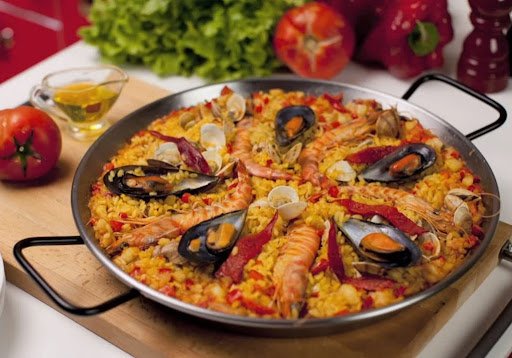
I still remember my first bite of pa amb tomàquet in a tiny bar off La Rambla. It was 2018, and I’d just landed in Barcelona after a red-eye flight. Exhausted and jet-lagged, I grabbed what looked like simple toast from a counter. One rub of ripe tomato, a drizzle of golden olive oil, a sprinkle of salt—and suddenly, everything clicked. This wasn’t just bread; it was Catalonia in edible form. Simple, honest, and bursting with the sun-soaked essence of the region. If you’re planning a trip to Barcelona or just craving a culinary adventure from your kitchen, discovering Catalan cuisine is like unlocking a secret chapter of Mediterranean life. It’s bold yet balanced, rooted in ancient traditions but forever evolving. Let’s dive in together.
The Roots of Catalan Cuisine: A Rich History
Catalan cuisine tells the tale of a region shaped by conquerors, traders, and the rugged beauty of its landscape. From Roman olive groves to Moorish spices and medieval cookbooks, every layer adds depth to the plate.
Ancient Influences That Shaped the Palate
The Romans planted the seeds—literally—with wheat, olives, and vines that still thrive today. Then came the Arabs, introducing almonds, saffron, and citrus that dance in modern sauces. I love how these echoes linger in a simple dish like espinacs amb panses i pinyons, where sweet raisins meet crunchy pine nuts.
Medieval Cookbooks and the Birth of Tradition
By the 14th century, Catalan scribes were jotting down recipes in the Llibre de Sent Soví, blending local bounty with exotic flair. Think spiced wines and peacock sauces that evolved into today’s picada—a nutty, garlicky paste that ties everything together. It’s no wonder Ferran Adrià, the godfather of molecular gastronomy, credits these roots.
From Peasant Hearths to Michelin Stars
What started as farmers’ fare—roasting veggies over embers—now graces the world’s best tables. Yet the soul remains the same: respect for what’s fresh and local. That shift from necessity to artistry is what makes eating here feel so alive.
Key Ingredients That Define Catalan Flavors
At its core, Catalan cooking is a love letter to the Mediterranean. Fresh, seasonal, and unpretentious, these staples turn humble meals into feasts.
The Bounty of Sea and Mountain
Catalonia’s “mar i muntanya” philosophy shines here—seafood from the Costa Brava mingling with meats from the Pyrenees. Think prawns from Palamós or botifarra sausage grilled to perfection. One summer, I hiked near Girona and ended a day with grilled sardines that tasted like the ocean itself.
Vegetables That Steal the Show
Eggplant, peppers, and artichokes aren’t sides—they’re stars. Roasted until smoky in escalivada or stewed in samfaina, they capture the sun. Tomatoes? They’re not just for sauce; they’re rubbed raw on bread for that iconic crunch.
Nuts, Herbs, and the Magic of Picada
Almonds, hazelnuts, and pine nuts aren’t garnishes; they’re the secret weapon. Ground into picada with garlic and parsley, they thicken stews and add that nutty depth. Pair it with Arbequina olive oil, and you’ve got pure gold.
Iconic Starters: The Perfect Opening Act
Catalan meals begin with bites that awaken the senses—fresh, shareable, and utterly addictive. These aren’t fancy; they’re the everyday joys that build anticipation.
Pa amb Tomàquet: The Humble Hero
This tomato-rubbed bread is Catalonia’s national anthem. Grab a slice of rustic pa de pagès, halve a juicy tomato, and mash it in. Drizzle with oil, salt it generously. Purists skip the garlic, but I always add a whisper. It’s breakfast, tapa, or side—versatile and vegan to boot.
Escalivada: Smoky Vegetable Symphony
Roast peppers, eggplant, and onions over fire until charred, then peel and dress simply. The result? Silky strips that melt on the tongue. I once made it at home after a market haul; even my picky kids devoured it with crusty bread.
Esqueixada: A Refreshing Cod Salad
Shredded salt cod, tomatoes, olives, and onions tossed in olive oil. It’s light, briny, and perfect for hot days. Originating from fishermen’s catches, it’s a nod to coastal ingenuity.
Main Courses: Where Land Meets Sea
This is where Catalan cuisine flexes its muscles. Hearty yet harmonious, these dishes embody the region’s dual soul.
Mar i Muntanya: The Ultimate Fusion
Chicken with lobster? Meatballs with cuttlefish? Yes, please. This surf-and-turf tradition dates back centuries. My favorite is mandonguilles amb sípia—juicy pork-beef balls slow-cooked with tender squid in a rich sauce. Dip bread in the leftovers; trust me.
Suquet de Peix: Fisherman’s Stew
A soul-warming pot of monkfish, potatoes, and tomatoes simmered with saffron. Born in Costa Brava villages, it’s rustic perfection. On a chilly evening in Sitges, this dish wrapped me like a hug.
Fricandó: Veal and Mushroom Comfort
Thin veal slices braised with wild mushrooms and picada. Autumn’s gift, especially with moixernons (local ‘shrooms). It’s tender, earthy, and pairs beautifully with a glass of Priorat red.
| Dish | Key Ingredients | Best Season | Why You’ll Love It |
|---|---|---|---|
| Mar i Muntanya Rice | Rice, chicken, prawns, squid | Year-round | Bold flavors in one bite |
| Suquet de Peix | Monkfish, potatoes, tomatoes | Summer | Light yet satisfying |
| Fricandó | Veal, mushrooms, almonds | Fall | Cozy, melt-in-mouth texture |
Sweets and Desserts: A Sweet Finale
No Catalan meal ends without a touch of indulgence. These treats blend creaminess, crunch, and nostalgia.
Crema Catalana: The Burnt Beauty
Custard infused with lemon and cinnamon, topped with caramelized sugar. Crack it like a crème brûlée, but with Catalan soul. I burned my first batch at home—lesson learned: patience pays off.
Mel i Mató: Simple Sweetness
Fresh cheese drizzled with honey and walnuts. Medieval in origin, it’s light enough for anytime. Grab some at La Boqueria market; it’s life-changing with ripe figs.
Panellets: Festive Almond Bites
For All Saints’ Day, these marzipan-like sweets get coated in pine nuts or coconut. Bite-sized joy that pairs with cava. My neighbor’s abuela taught me the recipe—pure gold.
Regional Twists Across Catalonia
Catalonia isn’t one-note; its food shifts with the terrain. From mountains to coast, each corner has its signature.
Coastal Delights in Costa Brava
Sea urchins, anchovies, and arròs negre (black rice with squid ink) rule here. The briny edge is unmistakable—perfect for a beachside lunch.
Mountain Hearty Fare in the Pyrenees
Trinxat (cabbage-potato mash) and cargols (snails) fuel hikers. Heavier, earthier, with wild game in winter. A calçotada feast in Valls is unmissable—grilled onions dipped in romesco sauce.
Barcelona’s Urban Melting Pot
The city blends it all: canelons from Christmas leftovers, fideuà (noodle paella). It’s where tradition meets global flair.
Pros of Exploring Regional Catalan Food
- Freshness guaranteed by local sourcing
- Variety keeps meals exciting
- Cultural immersion through every bite
Cons
- Seasonal limits (calçots only in winter)
- Some dishes require a bold palate (hello, snails)
Pairing Perfection: Wines, Cava, and Beyond
Catalan sips elevate the meal. Cava from Penedès sparkles like champagne but at a fraction of the price. Reds from Priorat? Deep, mineral, and food-friendly.
A crisp white from Empordà cuts through seafood, while a sweet moscatell ends things sweetly. Pro tip: Order a porró for communal fun—tilt and pour without touching lips.
Where to Savor Authentic Catalan Cuisine
Barcelona’s your gateway, but venture out for the real deal. Markets first: La Boqueria for ingredients and samples.
Top Spots in Barcelona
- Can Culleretes: Oldest restaurant (since 1786). Try their escudella.
- Alkostat: Modern twist on classics in Sant Antoni.
- Casa Leopoldo: Timeless in El Raval for suquet.
For a day trip, head to Vic for market-fresh embotits (cured meats).
Beyond the City: Hidden Gems
Costa Brava’s beach shacks for fresh catch. Pyrenees villages for mushroom hunts. Book a cooking class at Boqueria—hands-on magic.
Cooking Catalan at Home: Easy Recipes to Try
You don’t need a plane ticket. Start simple and build from there.
Quick Pa amb Tomàquet
Toast bread. Rub with garlic (optional) and tomato halves. Oil, salt. Done in 5 minutes.
Fricandó for Beginners
Brown veal, add mushrooms and wine. Simmer with picada (blend almonds, garlic, parsley). 45 minutes to heaven.
Pro Tip: Source Spanish ingredients online—Arbequina oil changes everything.
The Future of Catalan Cuisine: Tradition Meets Innovation
Chefs like the Roca brothers at El Celler de Can Roca push boundaries while honoring roots. Molecular foams meet ancient picada. It’s exciting—proof that great food evolves without losing its heart.
People Also Ask About Catalan Cuisine
What is Catalan cuisine exactly?
It’s the traditional cooking of Catalonia, blending Mediterranean staples with unique “sea and mountain” combos. Think fresh seafood, grilled veggies, and nutty sauces—not your typical Spanish tapas.
What are the must-try dishes in Catalan food?
Pa amb tomàquet, escalivada, and crema catalana top the list. For mains, go for mar i muntanya fusions like chicken with prawns.
Is Catalan food spicy or mild?
Mild and balanced, with herbs and garlic leading the charge. Heat comes from romesco peppers, but it’s never overwhelming.
Where can I find authentic Catalan restaurants?
In Barcelona, seek out family-run spots in Gràcia or Poblenou. Avoid Rambla traps—locals eat in neighborhoods.
How does Catalan cuisine differ from the rest of Spain?
It emphasizes local produce and sweet-savory mixes, with less reliance on rice-heavy paella (that’s Valencian). More surf-and-turf creativity here.
FAQ: Your Catalan Cuisine Questions Answered
What’s the best time to visit for food festivals?
Calçot season (January-March) for onion grills, or mushroom hunts in fall. Christmas brings escudella feasts.
Can I make these dishes vegetarian?
Absolutely. Swap meats in stews for more veggies, and escalivada is naturally plant-based.
What wine pairs best with Catalan meals?
Cava for starters, Priorat reds for hearty mains. Local and affordable—ask for recommendations.
Is Catalan cuisine kid-friendly?
Yes! Mild flavors and shareable plates like patates braves (spicy potatoes) win them over.
How healthy is traditional Catalan food?
Very—it’s the Mediterranean diet at its finest: olive oil, fresh produce, and lean proteins. Heart-healthy and satisfying.
Catalan cuisine isn’t just a meal; it’s an invitation to slow down, connect, and savor life’s simple riches. Whether you’re in a Barcelona alley or your own kitchen, let these flavors transport you. Next time you’re there, raise a glass of cava to the cooks who kept this alive. Bon profit!