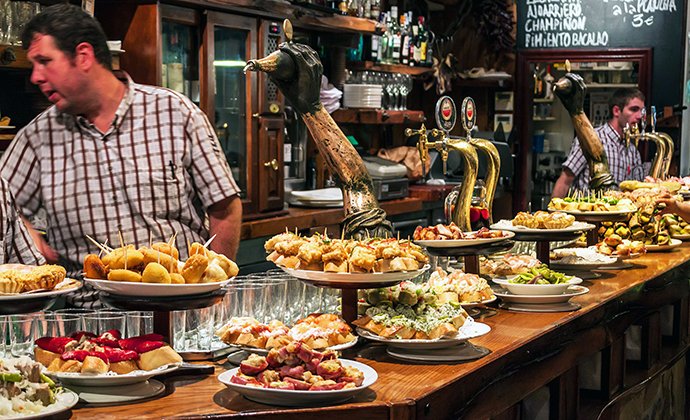
The Basque Country, straddling northern Spain and southwestern France, boasts one of Europe’s most distinctive and celebrated food cultures. Basque cuisine stands out for its deep respect for fresh, local ingredients, simple preparations that let flavors shine, and a perfect balance between sea and land. From the rugged coastlines yielding incredible seafood to the green inland valleys providing hearty meats and vegetables, every dish tells a story of place and people. I’ve always felt that eating Basque food is like stepping into a conversation with the land itself—direct, honest, and full of character.
What draws so many to Basque cooking is its emphasis on quality over complexity. Chefs here rarely mask ingredients with heavy spices; instead, they highlight seasonality and terroir. Think of the famous Espelette pepper adding a gentle heat, or Idiazabal cheese carrying subtle smokiness from mountain pastures. This approach has roots in centuries of fishing, farming, and herding traditions, making Basque cuisine both timeless and innovative.
The Historical Roots of Basque Cuisine
Basque food evolved from a practical, resourceful diet shaped by isolation and geography. In medieval times, locals relied on grains, legumes, fruits, and whatever the Cantabrian Sea provided. The Basques were master whalers and cod fishermen long before many others, preserving fish with salt to trade across Europe—this is how bacalao (salt cod) became a staple.
After the Americas opened up, New World ingredients like potatoes, tomatoes, and peppers transformed dishes without erasing old ways. The 20th century brought challenges under Franco’s regime, which suppressed regional identity, but the 1970s sparked “Nueva Cocina Vasca”—a movement led by chefs like Juan Mari Arzak that blended tradition with creativity. Today, the region boasts more Michelin stars per capita than almost anywhere, yet everyday meals remain grounded in homey, authentic recipes.
One memory that sticks with me is wandering San Sebastián’s old town years ago, pintxos bar-hopping on a rainy evening. The warmth of crowded counters, the clink of glasses, and the simple perfection of a single anchovy on bread—it felt like the essence of Basque hospitality.
Signature Ingredients That Define Basque Flavors
Basque cooking revolves around hyper-local, seasonal produce. Seafood dominates coastal areas: fresh hake, anchovies, tuna, and gooseneck barnacles (percebes) prized for their briny intensity. Inland, you’ll find lamb, beef (especially txuleta steaks), and cheeses from sheep grazing misty hills.
Key staples include:
- Espelette pepper (piment d’Espelette): Mild, fruity heat from the French Basque side, used in piperade and beyond.
- Idiazabal cheese: Smoky, nutty sheep’s milk cheese, often enjoyed with quince paste.
- Txakoli: Crisp, slightly sparkling white wine from local vines.
- Olive oil, garlic, and onions: The holy trinity for many sauces.
- Vegetables: Peppers (like piquillo or Gernika), leeks, potatoes, and beans from Tolosa.
These aren’t exotic—they’re everyday heroes that create depth without fuss.
Iconic Traditional Dishes of the Basque Country
Basque cuisine shines in its classics, many tied to fishing heritage or rural simplicity.
Bacalao al Pil-Pil stands as perhaps the most emblematic. Salt cod gently cooks in olive oil with garlic and guindilla peppers, emulsifying into a silky sauce that “pil-pil” (bubbles softly) in the pan. The technique demands patience—shake the dish just right to bind everything without breaking the emulsion. It’s deceptively simple yet technically masterful; one wrong move and the sauce splits.
Marmitako is a hearty tuna and potato stew born on fishing boats. Fishermen used fresh-caught bonito (or tuna), potatoes, peppers, tomatoes, and onions in a “marmita” pot. The result is comforting, with tender fish and starchy broth—perfect after a day at sea.
Pintxos are the social heart of Basque eating. Unlike Spanish tapas, these are small bites (often on bread, skewered with a toothpick) enjoyed while standing at bars with txakoli or cider. Classics include Gilda (anchovy, olive, guindilla), tortilla de patatas, or txangurro (stuffed crab). Bar-hopping in Bilbao or San Sebastián is a ritual—each spot has its specialty.
Piperade (or piperrada) mixes tomatoes, onions, and peppers with Espelette pepper—often served with eggs, ham, or as a side. It shares colors with the Basque flag and embodies the region’s love for vibrant, vegetable-forward dishes.
Txuleta is grilled beef steak (often from older dairy cows) charred over coals for smoky flavor and rare center. Paired with piquillo peppers or simply salt, it’s a carnivore’s dream.
Other favorites include axoa (shredded veal or lamb stew with peppers), porrusalda (leek-potato soup), and kokotxas (hake cheeks in green sauce).
Here’s a quick comparison of some top seafood classics:
| Dish | Main Ingredient | Key Technique | Flavor Profile | Best Enjoyed With |
|---|---|---|---|---|
| Bacalao al Pil-Pil | Salt cod | Emulsion in oil | Garlicky, silky, mild | Crusty bread, txakoli |
| Marmitako | Tuna | Slow stew | Hearty, tomatoey, earthy | Red wine or cider |
| Kokotxas | Hake cheeks | Pil-pil or salsa verde | Gelatinous, delicate | White wine |
| Txangurro | Crab | Stuffed & baked | Rich, briny | As a pintxo |
Sweet Endings: Basque Desserts
Basque sweets are straightforward yet irresistible. Pastel Vasco (Gâteau Basque) is a shortcrust pie filled with pastry cream or black cherry jam—simple, buttery, and comforting.
Then there’s Basque cheesecake (tarta de queso), invented in the 1980s at La Viña in San Sebastián. Unlike classic versions, it’s crustless, deliberately burnt on top for caramel notes, and creamy inside. It exploded globally because it’s forgiving to make yet feels luxurious.
Other treats include Idiazabal with quince, or pantxineta (puff pastry with custard).
Pros and cons of trying Basque sweets:
Pros:
- Use few ingredients, easy for home bakers.
- Balance richness with fresh fruit or cheese.
- Highlight local products like cherries or sheep milk.
Cons:
- Can be calorie-dense.
- Authentic versions require quality butter and eggs.
People Also Ask (PAA) About Basque Cuisine
Here are common questions searchers ask:
What makes Basque cuisine unique?
Its focus on pristine ingredients, minimal intervention, and a blend of sea and mountain influences. The Nueva Cocina Vasca movement elevated it globally while keeping roots intact.
What is the most famous Basque dish?
Bacalao al pil-pil often tops lists for its technique, but pintxos culture and burnt cheesecake have huge international fame.
Is Basque food spicy?
Not heavily—Espelette pepper adds gentle warmth, but dishes emphasize balance over heat.
What drinks pair with Basque food?
Txakoli (light, acidic white), Basque cider (sidra), or Rioja wines. Cider houses serve it poured from height for aeration.
How do pintxos differ from tapas?
Pintxos are skewered or on bread, often eaten standing; tapas are shared plates. Pintxos encourage bar-hopping.
FAQ: Quick Answers to Common Questions
Is Basque cuisine hard to recreate at home?
Not really—focus on fresh ingredients and don’t overcomplicate. Start with pintxos or marmitako for success.
Where can I try authentic Basque food outside the region?
Look for Basque restaurants in cities with diaspora communities (like Boise, Idaho, or Bayonne). Or source Espelette pepper and Idiazabal online.
What’s a good beginner pintxo?
Try tortilla de patatas or a simple anchovy with olive—straightforward and delicious.
Does Basque food include much vegetarian?
Yes—piperade, porrusalda, or vegetable pintxos. The emphasis on produce helps.
Why is salt cod so prominent?
Historical preservation needs from long fishing voyages made it a staple, now elevated into art.
Basque cuisine isn’t about showy techniques or rare ingredients—it’s about respect for what’s available and making it sing. Whether you’re grilling a txuleta, shaking pil-pil sauce, or savoring a pintxo with friends, it connects you to a resilient culture that values quality, community, and flavor above all. If you ever get the chance, head to San Sebastián or Bilbao—the food will speak for itself, and you’ll leave understanding why Basques say “jan eta edan” (eat and drink) with such pride.